Advantage Grand Canyon
Looking for the best Grand Canyon rafting trip for your schedule, budget, and adventure level? Advantage Grand Canyon helps travelers compare guided Colorado River rafting expeditions offered by the 16 authorized Grand Canyon river outfitters. Its complimentary trip-planning service makes it easier to compare motorized and non-motorized rafting, trip lengths, canyon sections, required hiking, family suitability, and departure availability.
Whether you want a shorter whitewater adventure or a 12-18-day wilderness expedition, Advantage Grand Canyon helps you understand the differences between rafting options before making a reservation.
Why Plan Your Rafting Trip with Advantage Grand Canyon?
Advantage Grand Canyon is a rafting trip comparison and reservation service, not a rafting operator. Instead of researching every outfitter separately, visitors can explore multiple trip options in one place and receive guidance on choosing an itinerary that meets their needs.
The service helps travelers compare Colorado River routes, raft types, required hikes, meeting locations, prices, and available departure dates. Trip-planning and reservation assistance is offered at no additional cost.
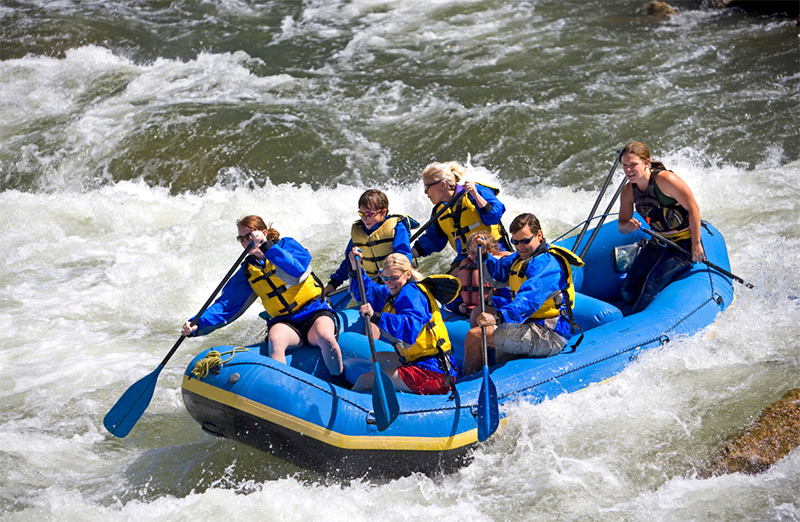
Which Grand Canyon Rafting Trip Is Right for You?
Choosing a rafting trip involves more than deciding how many days you want to spend on the Colorado River. The type of raft, section of the canyon, access route, and level of physical activity can significantly change the experience.
Motorized vs. Non-Motorized Rafting
Motorized rafts are operated by professional river guides and typically cover more river miles per day. They allow travelers to explore a substantial portion of the Grand Canyon in less time than traditional oar-powered trips.
Non-motorized rafting travels at a slower pace and includes oar rafts, paddle rafts, hybrid trips, and dories. These experiences appeal to travelers interested in extended wilderness camping and spending more time on the river.
| Trip Feature | Motorized Rafting | Non-Motorized Rafting |
|---|---|---|
| Typical Full Canyon Trip | 6-8 days | 12-18 days |
| River Travel | Motor-powered, guide-operated rafts | Oar-powered, paddle, hybrid, or dory boats |
| Daily Pace | Generally faster | Generally slower |
| Passenger Participation | Passengers generally ride | Depends on boat type; paddle trips involve active participation |
| Good Choice For | First-time rafters and travelers with limited vacation time | Travelers seeking longer wilderness experiences |
| Required Rim Hiking | Depends on the selected route | Depends on the selected route |
For many first-time rafters, a motorized Full Canyon trip offers a practical combination of scenery, whitewater, and manageable vacation time. Non-motorized expeditions may be preferable for travelers who want a longer, quieter experience on the Colorado River.
Compare Full, Upper, Lower, and Western Canyon Rafting
Grand Canyon rafting itineraries are often described by the portion of the Colorado River they explore. Different sections have different access requirements, trip lengths, and river experiences.
| Route | Typical Duration | Hiking Requirement | Recommended For |
|---|---|---|---|
| Full Canyon | 6-8 days motorized; 12-18 days non-motorized | No mandatory rim exchange hike on typical continuous trips | Travelers seeking both Upper and Lower Canyon |
| Upper Canyon | Approximately 3-7 days | Strenuous ascent to South Rim | Active travelers interested in Marble Canyon and the upper river |
| Lower Canyon | Approximately 5-9 days | Strenuous descent from South Rim | Fit travelers interested in Inner Gorge scenery and famous rapids |
| Western Canyon | Approximately 3-5 days on common multi-day itineraries | Generally no mandatory Bright Angel Trail hike | Travelers with less time or seeking western river access |
Upper Canyon vs. Lower Canyon: What's the Difference?
Upper Canyon rafting trips usually launch at Lees Ferry and travel downstream through Marble Canyon toward the Phantom Ranch area. The route includes dramatic cliffs, desert scenery, side-canyon exploration, and Colorado River rapids. Most Upper Canyon trips conclude with a strenuous hike uphill to the South Rim.
Lower Canyon trips typically begin with a hike from the South Rim down to the Colorado River near Phantom Ranch. They continue through the Inner Gorge and farther downstream into sections containing major whitewater rapids.
The better choice depends on your interests and hiking ability. Upper Canyon travelers must generally be prepared to hike out, while Lower Canyon travelers must generally hike down before rafting begins.
A continuous Full Canyon trip is often the better choice for travelers who want to experience both sections without a mandatory rim-to-river hiking transfer.
How Much Hiking Is Required?
Many Grand Canyon rafting itineraries include optional guided side hikes. However, Upper and Lower Canyon trips commonly require a strenuous access hike that is an essential part of the itinerary.
Depending on the outfitter, route, and current trail conditions, the required hike may be approximately 7.5-9.5 miles with substantial elevation change. These hikes involve steep desert terrain and can be particularly demanding during hot weather.
Upper Canyon itineraries generally involve hiking uphill out of the canyon, while Lower Canyon itineraries involve hiking downhill into the canyon.
Travelers concerned about strenuous hiking should investigate continuous Full Canyon or Western Canyon itineraries. These generally avoid mandatory Bright Angel Trail access hikes, although passengers must still be prepared for camping, uneven terrain, and physical activity.
What About Families and First-Time Rafters?
Grand Canyon rafting can be a memorable family adventure, but not every river trip is appropriate for every age or ability level.
Some motorized itineraries accept children as young as 8, while certain oar and paddle trips have higher minimum ages. Other trips may impose additional activity or fitness requirements.
For families, the most important considerations are minimum passenger age, river conditions, daily activity, hiking requirements, heat exposure, and the number of days spent camping.
Advantage Grand Canyon can help families compare trips that meet the age and physical requirements for their group.
Planning Tip: If you are traveling with children, older adults, or anyone concerned about strenuous hiking, compare the specific departure's age restrictions, required access hike, and activity demands before booking.
Find Your Grand Canyon Rafting Trip »
Grand Canyon Rafting Costs, Availability and 2027 Reservations
How Much Does Grand Canyon Rafting Cost?
Grand Canyon whitewater rafting prices depend on the type of boat, number of days, canyon section, outfitter, and departure date. A shorter rafting trip generally costs less than a full-canyon expedition, while extended non-motorized journeys can cost several thousand dollars per person.
Examples of advertised 2027 itineraries through Advantage Grand Canyon include:
| Rafting Experience | Example 2027 Price Per Person |
|---|---|
| 4-Day Upper Canyon Motorized Trip | $1,810 |
| 5-Day Lower Canyon Motorized Trip | $2,370 |
| 6-Day Full Canyon Motorized Trip | $2,905 |
| 7-Day Full Canyon Motorized Trip | $3,280 |
| 12-Day Full Canyon Hybrid Trip | $4,985 |
These are examples from published 2027 trip listings reviewed in November 2026. They are not guaranteed prices or confirmations that seats remain available. Actual rates vary by outfitter and departure, and additional charges may apply.
Multi-day guided rafting packages generally include professional river guides, meals, rafting equipment, and group camping supplies. Transportation, gratuities, personal equipment, and other expenses may be additional depending on the operator.
Fall and Winter Planning: How to Find a 2027 Grand Canyon Rafting Trip
Fall and winter are ideal times to begin researching a rafting expedition for the following year. Guided commercial trips through the main Grand Canyon river corridor operate seasonally, and popular departures can be reserved well in advance.
Under current National Park Service commercial river rules, motorized launches are limited to April 1 through September 15. Non-motorized commercial trips can launch through October. Commercial launches are not scheduled from November through March.
If you are researching a 2027 trip during fall or winter, use the following checklist to narrow your choices:
- Decide whether you want a shorter motorized trip or a longer non-motorized expedition.
- Choose the canyon section that interests you most: Full, Upper, Lower, or Western Canyon.
- Determine whether everyone in your group can complete any mandatory access hike.
- Check minimum passenger ages and physical requirements.
- Compare available 2027 departure dates and published prices.
- Review meeting locations, transportation arrangements, cancellation terms, and payment deadlines.
- Ask about alternate dates or cancellation openings if your preferred departure is unavailable.
May and September are popular months to consider because temperatures are generally more moderate than during the hottest part of summer. May offers both motorized and non-motorized opportunities, while September motorized launches are restricted to the first half of the month. October is an option for certain non-motorized expeditions.
Advantage Grand Canyon's trip finder helps travelers compare available itineraries from participating outfitters. Departure dates, prices, and remaining seats should be confirmed before making a reservation.
Compare 2027 Rafting Prices & Availability »
Frequently Asked Questions About Grand Canyon Rafting
Which month is the best to raft in the Grand Canyon?
May and September are often among the best months for Grand Canyon rafting because they generally offer warm days with less extreme heat than midsummer. April and October can provide cooler conditions, although October commercial launches are non-motorized. June, July, and August are typically hotter, with summer monsoon storms possible. Motorized commercial trips launch between April 1 and September 15, while non-motorized trips may launch through October. The best month depends on your preferred raft type, temperature tolerance, and available departures.
What are some good boat tours through the Grand Canyon?
Popular choices include 6-8-day motorized Full Canyon rafting expeditions, 12-18-day non-motorized trips, shorter Upper and Lower Canyon rafting itineraries, and Western Canyon adventures. Travelers can choose motorized rafts, oar-powered boats, paddle rafts, hybrid trips, and dories. Some separate one-day whitewater experiences are available farther west, while smooth-water float trips near Page are a different type of boating excursion. Advantage Grand Canyon helps travelers compare guided whitewater expeditions based on duration, route, raft type, and physical requirements.
Is Upper or Lower Grand Canyon rafting better?
Upper Canyon rafting is a good choice for travelers interested in Marble Canyon scenery and the upper Colorado River, provided they can complete the strenuous hike out to the South Rim. Lower Canyon rafting offers spectacular Inner Gorge scenery and notable whitewater farther downstream, but generally requires a strenuous hike down into the canyon. Neither is better for everyone. Travelers who want both sections without a required rim exchange hike should consider a continuous Full Canyon trip.
Which Grand Canyon raft trip is the best?
For many first-time visitors, a 6-8-day motorized Full Canyon trip offers a practical balance of major scenery, whitewater, and vacation time. Travelers who want a longer wilderness experience may prefer a 12-18-day non-motorized journey. Physically fit travelers can explore shorter Upper or Lower Canyon trips, while Western Canyon rafting may be attractive for those with less time. The best trip depends on your budget, schedule, hiking ability, family ages, and preferred river experience.
How much does a Grand Canyon raft trip cost?
Guided Grand Canyon rafting trips range from shorter adventures costing hundreds of dollars to extended multi-day expeditions costing several thousand dollars per person. Examples of published 2027 trips include a 4-day Upper Canyon motorized itinerary for approximately $1,810, a 6-day Full Canyon motorized trip for approximately $2,905, and a 12-day Full Canyon hybrid trip for approximately $4,985. These are specific advertised examples rather than universal prices. Final costs depend on the outfitter, departure date, included services, and additional fees.
Do you have to hike into the Grand Canyon to go rafting?
No. Many continuous Full Canyon and Western Canyon rafting trips do not require a strenuous hike from the rim to the river. However, Upper Canyon trips commonly end with a demanding hike out, while Lower Canyon trips typically begin with a strenuous hike down. Optional side hikes and physical activity may still be part of other rafting itineraries.
Is Grand Canyon rafting suitable for families with children?
Yes, on age-appropriate departures. Some motorized trips accept children beginning at age 8, while non-motorized trips may have minimum ages of 10, 12, 14, or higher depending on the operator and boat type. Parents should review age restrictions, hiking requirements, camping conditions, and safety information for each trip before booking.
How far in advance should I reserve a Grand Canyon rafting trip?
Planning 6-12 months ahead is a useful starting point, and some popular departures may sell out earlier. Fall and winter are good times to compare departures for the following rafting season. Travelers with flexible schedules may also find later openings resulting from cancellations or remaining inventory.
Does Advantage Grand Canyon operate the rafting trips?
No. Advantage Grand Canyon is a trip-planning, comparison, and reservation service that helps travelers evaluate trips operated by authorized Grand Canyon rafting outfitters. The river trips themselves are guided and operated by the individual outfitters.
Is Advantage Grand Canyon's service free?
Yes. Advantage Grand Canyon states that its comparison and reservation assistance is offered at no additional cost to travelers. Its business is supported through relationships with rafting outfitters. Travelers should confirm the total trip price, included services, payment schedule, and cancellation policy before booking.
Can Advantage Grand Canyon help find a rafting trip with available seats?
Yes. Its trip finder displays available itineraries and allows travelers to compare departure dates and options across participating rafting companies. Availability changes as trips are booked, so a listed departure is not a guarantee of an open seat. Travelers can also inquire about alternative dates, trip types, or cancellation openings.